
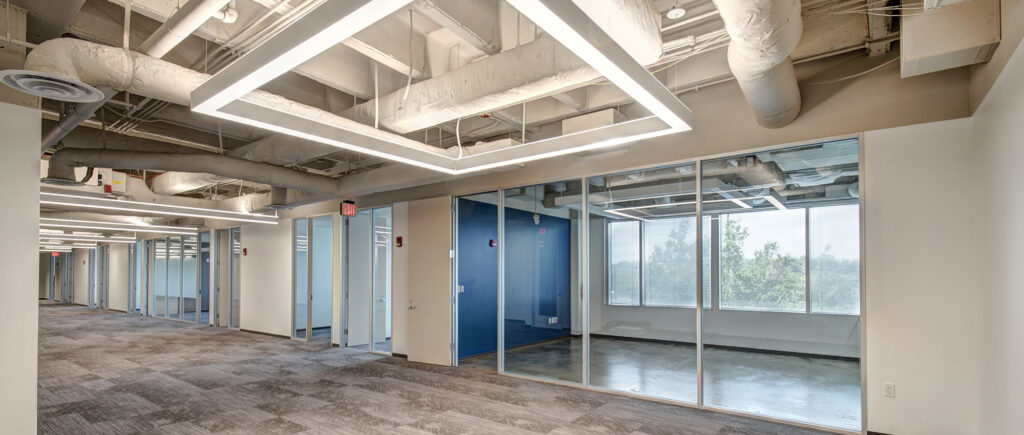
Transforming Commercial and Retail Spaces: The Complete Guide to Electrical Fit-Outs and Retrofits with Rowbel Services
In today’s competitive marketplace, the physical environment of your commercial or retail space is more than just a backdrop — it’s a strategic asset. From product presentation and customer comfort to staff productivity and energy costs, every detail of your space contributes to the overall success of your business. At the heart of that environment is the electrical system: the lighting that showcases your merchandise, the power distribution that keeps equipment running smoothly, and the safety systems that protect people and property. Rowbel Services specializes in comprehensive electrical fit-outs and retrofits designed to elevate commercial and retail spaces. This post explores what an electrical fit-out entails, the benefits of retrofitting existing systems, the practical steps involved, and why working with an experienced team like Rowbel can make all the difference.
What Is an Electrical Fit-Out? An electrical fit-out refers to the process of installing or fully upgrading the electrical infrastructure in a commercial or retail space during a new build or tenant fit-out. This includes wiring, power distribution, lighting systems, emergency and exit lighting, switchboards, data and communications conduits, electrical outlets, and other services necessary to make a space operational. A well-executed fit-out ensures that electrical systems meet current regulations, are safe and reliable, and support the specific operational and aesthetic needs of the business.
Why Fit-Outs Matter for Commercial and Retail Spaces
- Customer Experience: Lighting and electrical design have a direct impact on the way customers perceive your space and products. Properly designed lighting highlights merchandise, creates appealing focal points, and sets the right mood for your brand.
- Operational Efficiency: Efficient electrical systems reduce downtime and support seamless daily operations. This includes reliable power for point-of-sale systems, refrigeration, HVAC, and security systems.
- Compliance and Safety: Meeting electrical codes and regulations is essential to protect employees, customers, and assets. Properly installed switchboards, circuit protection, and emergency lighting ensure compliance and enhance safety.
- Scalability and Flexibility: Modern fit-outs are designed with future changes in mind. Modular wiring systems, accessible conduits, and flexible power distribution make it easier to adapt the space for new layouts, technologies, or expansions.
- Energy Savings: Advanced lighting solutions, efficient power distribution, and smart controls reduce energy consumption, lowering utility bills and supporting sustainability goals.
Retrofitting Existing Spaces: Why It’s Often the Smart Choice A retrofit is the process of updating or improving an existing electrical system rather than replacing the entire facility. For many businesses, retrofitting offers a cost-effective path to improved performance and safety.
Key advantages of retrofitting:
- Cost Efficiency: Retrofitting can be significantly less expensive than a full replacement while delivering many of the same benefits.
- Minimal Disruption: Targeted upgrades can be scheduled to minimize downtime and business disruption, often performed in off-hours or in phases.
- Performance Improvement: Upgrading lighting to LED, modernizing switchboards, and installing energy management systems can drastically improve reliability and reduce operating costs.
- Compliance Updates: Older buildings often have outdated systems that don’t meet modern code requirements. A retrofit brings systems up to date, reducing risk and liability.
- Sustainability: Newer equipment and controls reduce energy use and carbon footprint, supporting corporate responsibility goals and potentially qualifying for incentives or rebates.
Core Components of a Successful Fit-Out or Retrofit
- Consultation and Needs Assessment The first step in any project is understanding the client’s goals, constraints, and expectations. Rowbel Services works closely with business owners, architects, and project managers to assess current infrastructure, design needs, budget, and timeline. This stage includes:
- Site surveys to document existing systems and potential constraints.
- Load calculations to determine power requirements.
- Discussion of design priorities: aesthetics, functionality, flexibility, and sustainability.
- Coordination with other trades (HVAC, IT, fire protection) to ensure integrated solutions.
- Detailed Design and Specification A detailed electrical design translates the client’s vision and technical needs into a practical plan. This includes:
- Lighting design: fixture selection, placement, color temperature, and control strategies to create the desired ambiance.
- Power distribution: switchboard configuration, circuits, and protective devices sized to meet current and future loads.
- Emergency systems: exit lighting, emergency power, and fire alarm integration.
- Low-voltage systems: cabling for data, communications, audio/visual, and security.
- Energy management: controls, sensors, and automation for efficient operation.
- Compliance and Permitting Proper permitting and adherence to local electrical codes and standards are mandatory. Rowbel Services handles:
- Preparation of documentation for permit applications.
- Liaison with local authorities and inspectors.
- Ensuring work is performed in accordance with statutory regulations and relevant safety standards.
- Installation and Project Management A successful installation minimizes disruption while adhering to timelines and budgets. Rowbel’s teams focus on:
- Coordination with building management and other contractors.
- Phased scheduling to avoid downtime in busy periods.
- Quality control and rigorous testing of installations.
- Clear communication with clients, providing regular progress updates.
- Testing, Commissioning, and Handover Before handing a project over, every system must be tested and commissioned:
- Electrical testing to verify circuits, protective devices, and earthing systems.
- Lighting commissioning to ensure correct operation of fixtures and controls.
- Verification of emergency and life-safety systems.
- Documentation and training for client staff on system operation and maintenance.
- As-built drawings and warranties provided for future reference.
- Ongoing Maintenance and Support A fit-out is not a one-time event — it requires ongoing support to remain effective. Rowbel Services offers maintenance contracts and rapid-response repair services:
- Preventative maintenance to extend system life and avoid costly breakdowns.
- Emergency call-outs for faults or failures.
- Upgrades and expansions to accommodate evolving business needs.
Practical Considerations and Best Practices
- Plan for Flexibility: Retail environments change frequently. Design power and lighting layouts with future reconfigurations in mind — use accessible trunking, modular outlets, and flexible control systems.
- Prioritize Lighting Quality: Choose the right color temperature and CRI (Color Rendering Index) for your products. Warm tones may suit hospitality; cooler, high-CRI lighting can better showcase clothing and displays.
- Integrate Technology: Smart lighting controls, occupancy sensors, daylight harvesting, and building management systems can deliver substantial energy savings and improved customer comfort.
- Consider Acoustic and Thermal Effects: Lighting and electrical installations should not interfere with HVAC performance or acoustics. Coordination between systems avoids unintended consequences.
- Safety First: Proper switchboard labeling, clear access to distribution boards, and correctly rated protection devices reduce risk. Emergency lighting and exit signage must be tested and maintained.
- Energy Audits: Before large investments, an energy audit helps identify the most cost-effective upgrades, often revealing quick wins like LED lighting or updated controls.
- Choose Experienced Contractors: Businesses should work with teams experienced in commercial and retail environments who understand code requirements, project scheduling, and the need to minimize downtime.
Case Studies: Typical Improvements and Outcomes
- Retail Storefront Refresh: A mid-sized retail chain replaced halogen and fluorescent fixtures with LED track lighting and programmable controls. Outcome: enhanced product visibility, 60% reduction in lighting energy costs, and improved flexibility for seasonal displays.
- Café Retrofit: An independently owned café replaced an aging switchboard and rewired the kitchen circuits to meet safety standards. Outcome: improved reliability for kitchen equipment, reduced risk of outages, and compliance with local regulations.
- Office Fit-Out: A new tenant fit-out in a multi-tenant office involved installing a new distribution board, energy-efficient LED lighting, and data cabling for VoIP systems. Outcome: a modern, functional workspace delivered on schedule with integrated low-voltage services.
- Supermarket LED Conversion: A supermarket replaced fluorescent fixtures with high-output LED panels and installed daylight sensors. Outcome: better product illumination, lower energy use, reduced maintenance costs, and a payback period of less than three years.
Why Choose Rowbel Services? Rowbel Services brings expertise, reliability, and client-focused project delivery to every electrical fit-out and retrofit project. Key differentiators include:
- Experience in commercial and retail sectors: understanding operational demands, aesthetics, and tight scheduling requirements.
- Comprehensive services: from initial consultation and design through installation, testing, and ongoing maintenance.
- Skilled technicians and project managers: trained in the latest codes, safety practices, and technologies.
- Focus on energy efficiency and sustainability: prioritizing solutions that reduce operating costs and environmental impact.
- Clear communication and documentation: ensuring clients understand timelines, scope, and long-term maintenance needs.
How to Get Started Embarking on an electrical fit-out or retrofit begins with a clear assessment of goals and constraints. Rowbel Services recommends:
- Initial Consultation: Contact the team to discuss your project, timeline, and budget. Prepare a brief overview of your space and what you want to achieve.
- Site Survey: Schedule a site visit for a thorough assessment of existing conditions and opportunities.
- Proposal and Design: Receive a tailored proposal outlining recommended upgrades, costs, and scheduling.
- Execution and Handover: Agree on a phased plan to minimize disruption, followed by professional installation, testing, and staff training.
- Ongoing Support: Opt for maintenance plans to keep systems running efficiently and safely.
Final Thoughts Investing in a professional electrical fit-out or retrofit can transform the way your commercial or retail space performs — enhancing customer experience, improving operational reliability, and reducing energy costs. Whether you’re launching a new location or upgrading an existing one, careful planning, quality design, and expert installation are essential. Rowbel Services has the expertise to guide you from concept to completion, delivering solutions that are safe, efficient, and tailored to your business goals.
If you’re considering an upgrade or fit-out, contact Rowbel Services today to explore your options and take the first step toward a brighter, safer, and more efficient space.