
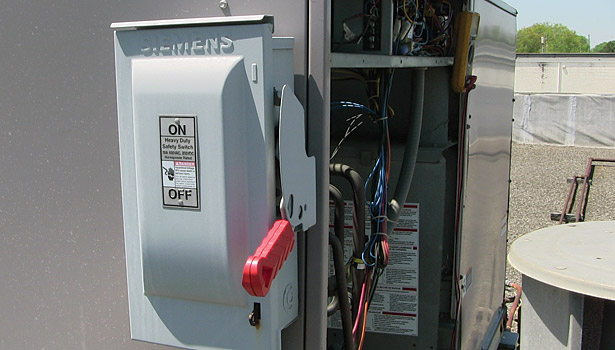
Keep Your Rooftop Units in Top Shape: The Critical Role of Proper Electrical Disconnect Maintenance
When it comes to managing commercial HVAC systems, rooftop units (RTUs) are often the backbone of climate control for many buildings. From office complexes and retail stores to warehouses and industrial facilities, these units ensure a comfortable environment for employees, customers, and products. However, despite their importance, many property managers and facility owners overlook a crucial component of RTU maintenance: the electrical disconnects.
Proper maintenance of rooftop unit electrical disconnects isn’t just a matter of good practice—it’s a safety imperative, a factor in system efficiency, and a key to extending the lifespan of your HVAC equipment. In this comprehensive guide, we’ll explore why electrical disconnect maintenance is vital, the risks associated with neglect, and how professional services like Rowbel Services can help ensure your rooftop units operate safely and effectively for years to come.
Understanding Rooftop Units and Electrical Disconnects
Before diving into maintenance specifics, it’s essential to understand what rooftop units and electrical disconnects are, and how they function within the HVAC system.
Rooftop Units (RTUs):
RTUs are self-contained heating, ventilation, and air conditioning systems installed on the roofs of commercial buildings. They consist of various components, including compressors, fans, heat exchangers, filters, and electrical systems, all working together to regulate indoor climate. Their location on the roof makes them accessible for maintenance but also exposes them to environmental elements like wind, rain, snow, and debris.
Electrical Disconnects:
An electrical disconnect is a safety device installed in or near the RTU. It provides a means to quickly cut off power to the unit during maintenance, emergencies, or troubleshooting. Disconnect switches are designed to disconnect the electrical circuit safely, preventing accidental electrical shock or damage to the system during servicing.
While essential for safety, these disconnects are often overlooked when it comes to routine maintenance, leading to potential hazards and operational issues down the line.
Why Proper Maintenance of Electrical Disconnects is Critical
Ensuring the electrical disconnects for your rooftop units are in good working order is of paramount importance. Here are the key reasons why:
1. Ensuring Safety for Maintenance and Emergency Response
The primary purpose of an electrical disconnect is safety. It allows technicians to shut off power quickly during repairs, reducing the risk of electrical shocks, arcs, or fires. If a disconnect is faulty—due to corrosion, wear, or damage—it may not function correctly in an emergency, posing serious safety hazards.
Regular inspections ensure that switches operate smoothly, contacts are clean and uncorroded, and grounding is intact. This peace of mind guarantees that when maintenance is needed, or in crisis situations, the disconnect will reliably turn off power.
2. Preventing Electrical Hazards and Fire Risks
Electrical disconnects that are malfunctioning, damaged, or corroded can cause electrical arcing, shorts, or sparks. These issues not only jeopardize technician safety but can also ignite nearby debris, insulation, or other combustible materials, leading to fires.
Corrosion is particularly problematic in rooftop environments, where exposure to moisture, salt, and pollution can deteriorate metal components. Avoiding such risks requires routine visual inspections and timely replacement or repair of damaged disconnect switches.
3. Maintaining System Efficiency
Faulty electrical disconnects can cause intermittent power supply or voltage fluctuations. This can lead to inefficient operation of the RTU, increased energy consumption, and higher utility bills.
A well-maintained disconnect ensures a clean, stable power supply, allowing your HVAC system to operate at optimal efficiency. This minimizes wear and tear on electrical components, reducing the likelihood of unexpected breakdowns.
4. Extending Equipment Lifespan
Rooftop units are significant investments. Neglecting the electrical disconnects can accelerate deterioration of internal electrical components, leading to costly repairs or early system replacement.
Routine upkeep, including cleaning contacts, tightening connections, and testing switches, helps preserve the integrity of the entire HVAC system, maximizing return on investment.
5. Reducing Downtime and Repair Costs
Unanticipated equipment failures due to electrical issues can disrupt operations and incur substantial downtime costs. Regular maintenance of disconnects can detect potential problems early, allowing for proactive repairs before more severe failures occur.
Addressing small issues like corrosion or loose connections during scheduled maintenance is more cost-effective than emergency repairs after a system failure.
Common Issues with Rooftop Unit Electrical Disconnects
Understanding what can go wrong helps inform proper maintenance practices. Here are some typical issues found in rooftop unit disconnects:
- Corrosion and Rust: Environmental exposure leads to corrosion of metal contacts and switch components, impairing electrical conductivity.
- Loose or Frayed Wiring: Vibrations and thermal cycling can loosen connections, risking arcing or electrical shorts.
- Worn or Damaged Contacts: Over time, contacts can become pitted or eroded, reducing their ability to conduct electricity efficiently.