
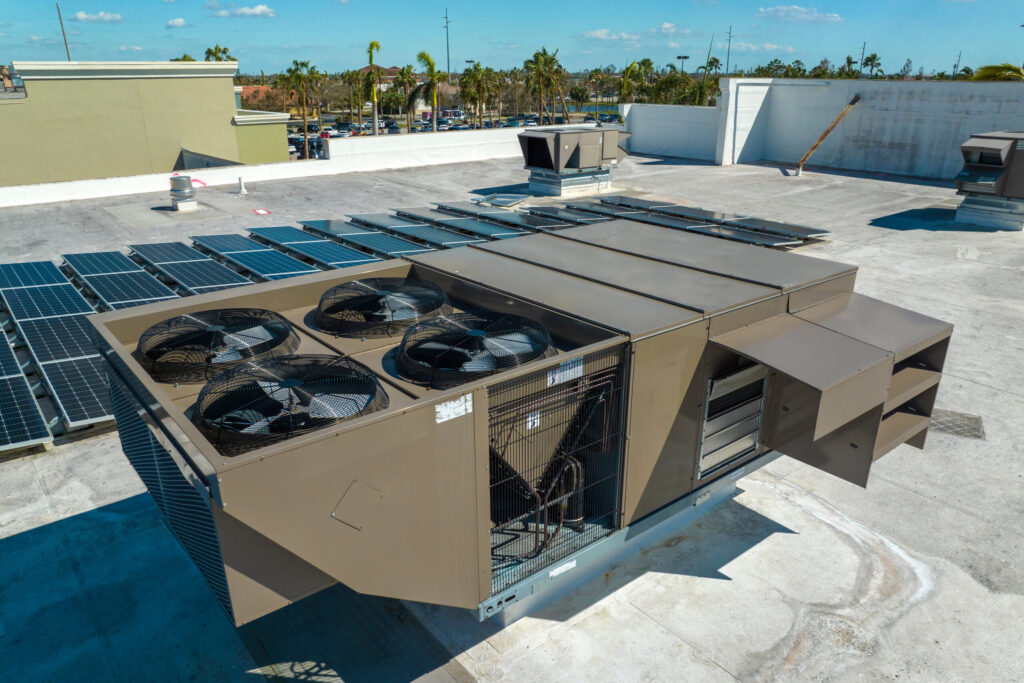
Is Your HVAC Equipment Showing Its Age? Here’s Why It Might Be Time for a Complete Upgrade! 🌬️⏳✨
Introduction: The Heartbeat of Your Home and Business Comfort
In our fast-paced world, comfort is king. Whether you’re relaxing at home after a long day or running a busy business, a reliable HVAC (Heating, Ventilation, and Air Conditioning) system is essential. It maintains inner temperatures within a comfortable range, improves indoor air quality, and upfront, it impacts your energy bills and environmental footprint.
However, like any mechanical device, HVAC systems have a lifespan. Over time, wear and tear, technological advances, and increasing demands mean that even the best units will eventually need replacement. Recognizing the signs of aging early can save you money, avoid discomfort, and streamline your energy consumption.
Whether you’re a homeowner or a business owner, understanding when to upgrade is vital. Proactive replacement ensures you stay ahead of costly breakdowns, inefficient operation, and comfort issues—making the transition to a modern system a smart move for your wallet, health, and planet.
Understanding the Lifespan of Your HVAC System: When Does It Need Replacing? 🕰️
Most residential HVAC systems are designed to last approximately 10 to 15 years. Commercial systems may last longer, but their durability depends heavily on regular maintenance, usage, and quality at installation.
Factors Influencing HVAC Longevity
- Quality of the Equipment: Higher-end systems tend to last longer and operate more efficiently.
- Proper Maintenance: Routine check-ups, filter changes, and cleaning significantly prolong system lifespan.
- Frequency and Intensity of Use: The more frequently and intensely a system is used, the faster it wears out.
- Environmental Conditions: High humidity, airborne debris, and exposure to corrosive agents can accelerate deterioration.
- Installation Quality: Proper installation maximizes efficiency and longevity.
Signs That Your HVAC Is Reaching the End of Its Life
- Rising energy bills without a change in usage.
- Frequent breakdowns or repairs.
- Struggling to reach or maintain desired temperatures.
- Unusual noises or bad odors.
- Decreased indoor air quality.
- Uneven heating or cooling.
- Exhaustful running times.
Early recognition of these signs allows for better planning — either repair or replacement — avoiding discomfort and excessive costs.
signs It’s Time for an HVAC Upgrade: Don’t Wait for a Breakdown 🚧
Although minor repairs can sometimes fix the problem temporarily, persistent issues usually signal that your system is aging beyond repair capacity. Here are the most common signs indicating it’s time for a full replacement:
1. Increasing Energy Bills 📈💸
If you notice your utility bills rising steadily, that’s a significant indicator of inefficiency. As HVAC systems age, they tend to work harder and consume more energy to produce the same level of heating or cooling. This inefficiency results in higher costs for you, and the savings from upgrading can often offset the initial expense within a few years.
2. Inconsistent Indoor Temperatures 🏡❄️🔥
Uneven temperatures across different rooms or floors can be frustrating. An aging system struggles to maintain consistent climate control, resulting in hot spots or cold zones. Modern HVAC systems come with zoning options and smart thermostats that ensure consistent comfort.
3. Frequent Maintenance and Repair Costs 🔧🛠️
When your HVAC requires frequent repairs—be it refrigerant leaks, electrical issues, or worn-out components—it’s often more economical to replace the entire system rather than continue patching it. Repair costs add up over time and can surpass the expense of a new installation.
4. Unusual Noises or Smells 🛠️👃
Banging, squealing, rattling noises, or strange odors indicate mechanical problems or mold growth. Ignoring these signs risks further damage and health issues, especially if airborne particles or mold spores are involved.
5. System Running Constantly or Overworking ⏳
If your HVAC runs nonstop or constantly cycles on and off, it indicates that it’s struggling to meet the demand. This irregular operation increases wear and energy consumption, shortening the system’s lifespan.
6. Age of the System ⏳
If your HVAC is over 10 years old, it’s prudent to evaluate its performance and efficiency. Technology improves rapidly, and newer models operate more efficiently, saving energy and money in the long run.
7. Poor Indoor Air Quality 🌬️🚫
Old systems tend to circulate dust, allergens, and pollutants instead of filtering them out. Upgrading can incorporate advanced filtration systems that improve indoor air quality, which is especially important for allergy sufferers and health-conscious households.
The Benefits of Upgrading Your HVAC System With Rowbel Services
Choosing the right team to handle your HVAC upgrade is critical. At Rowbel Services, we’re committed to delivering personalized service, expert guidance, and high-quality solutions to ensure your system meets your specific needs.
Expertise and Personalized Solutions
Our team of highly skilled engineers and technicians understand that every property is unique — different sizes, layouts, usage patterns, and budgets require tailored solutions. We evaluate your current system, review your comfort needs, and recommend HVAC units that align with your goals.
Cutting-Edge Technology
We stay on top of the latest advancements in HVAC technology, offering systems equipped with smart controls, high-efficiency compressors, and eco-friendly refrigerants. These features not only enhance performance but also help you