
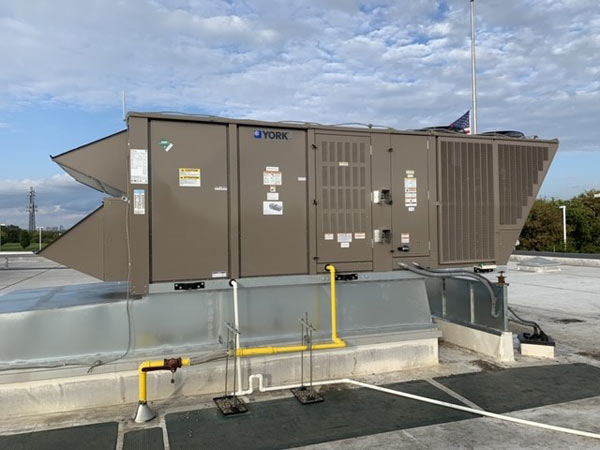
Is Your HVAC Equipment Showing Its Age? Upgrade Benefits
As we transition through the seasons, we often take for granted the vital role our HVAC (Heating, Ventilation, and Air Conditioning) systems play in maintaining a comfortable indoor environment. Whether it’s the cozy warmth during chilly winter nights or the refreshing coolness on hot summer days, a reliable HVAC system is essential for comfort, health, and productivity. But what happens when your trusted system begins to show signs of aging? How do you know when it’s time to consider an upgrade? In this comprehensive blog, we’ll explore everything you need to know about aging HVAC systems, signs indicating an upgrade is necessary, the benefits of upgrading, and why partnering with expert professionals like those at Rowbel Services can make all the difference.
Understanding these factors is crucial, especially when considering the upgrade benefits that come with modern HVAC systems. Is Your HVAC Equipment Showing Its Age? Upgrade Benefits become evident once you evaluate the efficiency and performance of your current system.
The Aging HVAC System: What Signs Should You Watch For?
Your HVAC system is a complex machine with many working parts designed to last for a significant period, often 10-15 years or more with proper maintenance. However, over time, components wear out, efficiency drops, and performance can decline. Recognizing early warning signs can help you avoid costly breakdowns and inefficient operation.
1. Rising Energy Bills
One of the most noticeable signs your HVAC system may be aging or failing is an increase in energy consumption. Older systems tend to work harder to heat or cool your space, consuming more electricity or gas in the process. If your energy bills have suddenly spiked without a change in usage patterns, your system might be struggling to operate efficiently.
2. Inconsistent Temperatures
If some rooms in your home or office are warmer or cooler than others, despite setting the thermostat correctly, it could indicate that your HVAC system is no longer distributing air evenly. Diminished airflow, clogged filters, or worn-out components can contribute to this issue.
3. Frequent Repairs
Constantly calling for repairs is a clear sign your HVAC system is nearing the end of its lifespan. While minor repairs are common, frequent or costly breakdowns suggest that replacing the unit may be more economical in the long run.
4. Excessive Noise
Strange noises such as banging, rattling, or screeching can indicate mechanical issues within the system. As equipment ages, parts become loose or worn, leading to noisy operation that disrupts comfort and signals the need for attention.
5. Longer Command Response Time
If your system takes longer to respond to thermostat commands or requires multiple adjustments to maintain a set temperature, it’s likely losing efficiency, and an upgrade might be warranted.
6. Aging Components and Outdated Technology
HVAC technology has advanced significantly over the past decade. Older systems may lack energy-efficient features, smart controls, or advanced air filtration, making them less effective and more costly to operate.
Why It’s Time to Consider Upgrading Your HVAC System
While it can be tempting to keep repairing an aging HVAC system, there are compelling reasons to consider an upgrade instead of investing in constant fixes.
1. Improved Energy Efficiency
Modern HVAC systems are designed with energy-saving features that significantly reduce utility bills. Higher SEER (Seasonal Energy Efficiency Ratio) ratings and innovative technology allow newer units to operate with less energy while providing the same or superior level of comfort.
2. Enhanced Comfort and Air Quality
Upgraded systems often come with improved filtration, humidity control, and zoning options, offering a more comfortable and healthier indoor environment. Better air quality is particularly important for individuals with allergies or respiratory conditions.
3. Cost Savings in the Long Run
Although the upfront cost of a new system can seem substantial, the savings in energy bills and repair costs over time make upgrading a smart financial decision. You’ll likely see a return on investment within a few years through reduced energy consumption and fewer repairs.
4. Supporting Environmental Responsibility
Older systems tend to produce more greenhouse gases due to inefficient operation. Modern systems are more environmentally friendly, reducing your carbon footprint while saving you money.
5. Increased Property Value
A new, high-efficiency HVAC system can increase your property’s value. If you’re planning to sell your home or commercial space, a newer HVAC can be a strong selling point.
The Benefits of Upgrading Your HVAC System With Rowbel Services
Choosing the right team to handle your HVAC upgrade is critical. At Rowbel Services, we’re committed to delivering personalized service, expert guidance, and high-quality solutions to ensure your system meets your specific needs.
Expertise and Personalized Solutions
Our team of highly skilled engineers and technicians understand that every property is unique — different sizes, layouts, usage patterns, and budgets require tailored solutions. We evaluate your current system, review your comfort needs, and recommend HVAC units that align with your goals.
Cutting-Edge Technology
We stay on top of the latest advancements in HVAC technology, offering systems equipped with smart controls, high-efficiency compressors, and eco-friendly refrigerants. These features not only enhance performance but also help you