
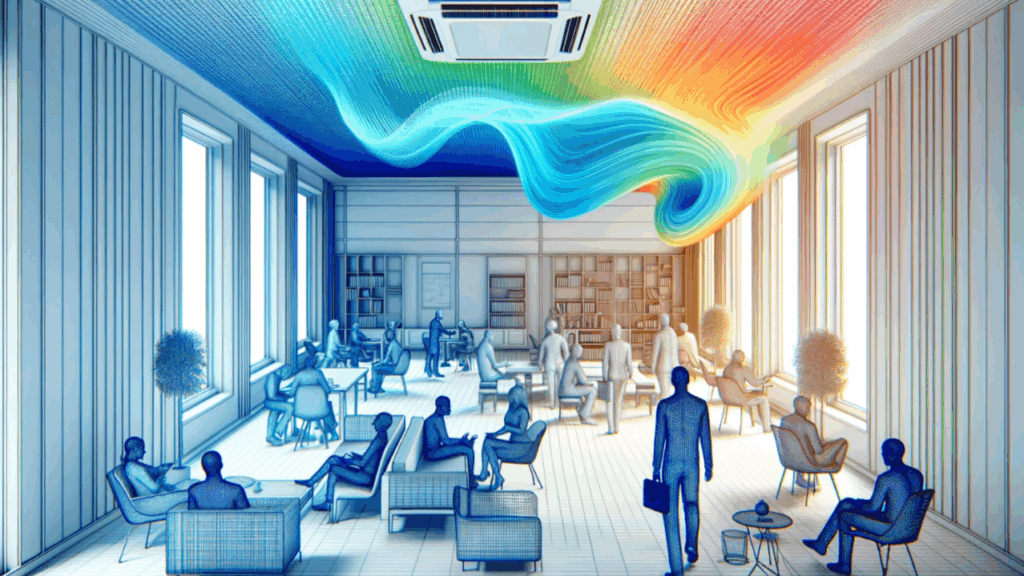
Transform Your Indoor Climate with Precision Control: The Future of Comfortable, Healthy Spaces
In today’s fast-paced world, the importance of maintaining a comfortable and healthy indoor environment cannot be overstated. Whether it’s in office buildings, residential complexes, or commercial spaces, uneven temperatures, fluctuating humidity levels, and poor air circulation can significantly impact occupant comfort, productivity, and overall well-being. Fortunately, recent advances in technology are revolutionizing indoor climate control, making it smarter, more responsive, and energy-efficient.
The Challenge of Traditional Indoor Climate Systems
Conventional HVAC systems often operate on static settings or simple timers, which don’t account for real-time occupancy or changing weather conditions. As a result, occupants may experience temperature swings, dry or overly humid air, and uneven airflow—all of which can lead to discomfort and decreased productivity. Additionally, energy consumption tends to be higher than necessary, contributing to increased operational costs and environmental impact.
Enter Precision Indoor Climate Control (PICC)
The advent of Precision Indoor Climate Control systems is changing the game. These advanced solutions use a combination of sensors, data analytics, and sophisticated algorithms to tailor the indoor environment to precise needs—all on a zone-by-zone or even individual basis.
Imagine walking into an office where your workspace automatically adjusts to your preferred temperature and humidity, or a building that responds dynamically to occupancy levels and weather fluctuations. This is the promise of PICC technology, ensuring consistent comfort while optimizing energy use.
How It Works
Modern PICC systems rely on:
- Advanced Sensing Technologies: Sensors monitor temperature, humidity, airflow, and occupancy in real-time.
- Data Analytics & Algorithms: Collected data is processed to make intelligent adjustments automatically.
- Automated Controls: HVAC units adapt their operation based on analyzed data, providing personalized settings for different zones or individuals.
This continuous monitoring and adjustment create an indoor environment that is not only comfortable but also energy-efficient and responsive to changing circumstances.
Benefits of Precision Indoor Climate Control
- Consistent Comfort: Eliminates temperature swings and uneven air distribution.
- Energy Savings: Reduces waste by targeting heating, cooling, and humidification precisely where needed.
- Healthier Indoor Spaces: Maintains optimal humidity and air quality, reducing pollutants, pathogens, and chemical contaminants.
- Adaptive Performance: Systems adapt to occupancy patterns, weather changes, and building use, ensuring ongoing efficiency.
Spotlight on Innovation: Leading Companies Driving the Change
Virens — Occupancy-Based HVAC Control:
A UK-based startup, Virens is making strides with its innovative, privacy-respecting occupancy detection technology. Using proprietary radar sensors, Virens captures real-time user activity and occupancy within a building. This data interacts seamlessly with existing HVAC systems, optimizing them based on actual use. The result? Significant energy savings and a tailored indoor climate, all while respecting occupant privacy—no cameras or invasive methods needed.
Ti-DOX — Advanced Air Decontamination:
On the air quality front, Canadian startup Ti-DOX offers HydroxylizAire, a pioneering device that neutralizes chemicals, pathogens, and airborne pollutants. It utilizes UVC light and titanium dioxide coatings to generate hydroxyl radicals, which cleanse the air of radon, smoke, and other contaminants. This technology promotes healthier indoor environments, especially important for spaces with respiratory sensitivities or chemical concerns.
Creating Spaces that Prioritize Well-Being and Sustainability
By integrating these innovative solutions — from occupancy-aware HVAC systems to advanced air purification devices — building owners and managers can create environments that are not only more comfortable and healthier but also aligned with sustainability goals. Reduced energy consumption translates into lower operating costs and a decreased carbon footprint, contributing to global efforts against climate change.
Conclusion
The future of indoor climate management is intelligent, adaptive, and personalization-driven. Embracing these advanced technologies means investing in occupant comfort, health, and energy efficiency. From smarter HVAC controls to cutting-edge air purification, the potential to transform indoor environments for better living and working conditions has never been greater. Let’s build spaces that prioritize well-being, sustainability, and innovation—today and tomorrow.
#IndoorClimate #SmartBuildings #EnergyEfficiency #HealthyIndoorAir #Innovation