
Elevate Your Business Environment: The Vital Role of Replacing Commercial HVAC Belts
In the bustling world of commercial business, maintaining an environment that is both comfortable and efficient is of paramount importance. Often, the unsung hero in achieving this harmonious atmosphere is your commercial HVAC (Heating, Ventilation, and Air Conditioning) system. While many components within this system work together to ensure optimal performance, the HVAC belts play an especially crucial role. In this extensive blog post, we’ll delve deep into why these belts matter, how wear and tear impact system efficiency, and how proactive maintenance can save your business from the pitfalls of unexpected breakdowns and soaring energy bills.
The Heartbeat of Your HVAC System: Understanding the Role of Belts
At the core of every robust HVAC system are its belts, often considered the heartbeat that keeps operations running smoothly. These belts are responsible for driving the blower fan and compressors, which are essential for regulating and distributing air throughout your business premises. When functioning optimally, HVAC belts ensure that air is circulated efficiently, maintaining a consistent temperature and comfortable environment for employees and customers alike.
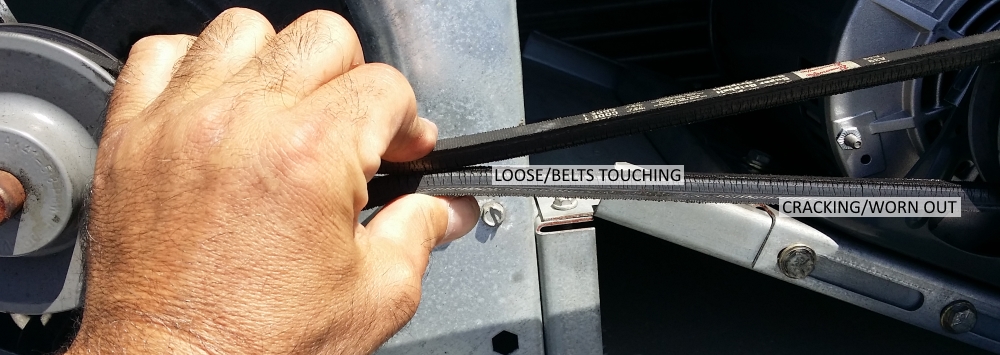
However, like all mechanical components, HVAC belts are subject to wear and tear over time. The constant stress and tension they endure eventually lead to deterioration. As the belts begin to fray, slip, or crack, the efficiency of the entire HVAC system can be compromised. A compromised belt results in reduced airflow, which means your HVAC unit has to work harder to achieve the desired temperature. This not only leads to higher energy consumption and bills but can also introduce strain on other parts of the system, leading to potentially costly repairs or replacements.
Consequences of Worn-Out Belts: Efficiency, Costs, and Comfort
The consequences of neglecting HVAC belt maintenance can be significant. When belts are not regularly checked and replaced, the first area impacted is energy efficiency. Energy bills can see a noticeable uptick as the system works harder to compensate for reduced performance. This increase in energy usage is not only financially draining but also environmentally unwise, contradicting many businesses’ goals of sustainable operations.
Besides escalating energy costs, the comfort level within the business environment can also suffer. Fluctuating temperatures, uneven airflow, and unexpected system shutdowns can create an atmosphere of discomfort and dissatisfaction. For businesses that rely on a pleasant environment to enhance customer experience—such as retail stores, restaurants, and hotels—the stakes are even higher. Uncomfortable conditions can deter customers, impact sales, and tarnish the business’s reputation.
Moreover, consistent strain on the HVAC system due to worn-out belts can lead to broader mechanical issues. This can result in significant repairs or, in worst-case scenarios, complete system failures, which require extensive downtime for repairs or replacements. Such interruptions can disrupt business operations, lead to loss of productivity, and incur additional expenses.
The Importance of Proactive HVAC Maintenance
Given the critical role HVAC belts play in the overall functionality and efficiency of the HVAC system, proactive maintenance becomes not just important, but essential. Regular inspection and timely replacement of these belts can dramatically reduce the risks associated with wear and tear.
Proactive maintenance is more than just a preventive measure; it’s a strategic approach to extending the lifespan of your HVAC system while maintaining its efficiency and reliability. This involves scheduled inspections by trained professionals who can assess the condition of your HVAC belts and other components, identify potential issues before they become significant problems, and replace parts as necessary.
At Rowbel Services, we specialize in offering comprehensive preventative maintenance solutions tailored specifically to your business needs. Understanding that no two HVAC systems are precisely the same, our seasoned technicians evaluate your equipment, usage patterns, and environmental conditions to devise a maintenance plan that ensures seamless operation and efficiency.
Rowbel Services: Your Partner in HVAC Efficiency
Rowbel Services prides itself on delivering excellence in HVAC maintenance and care. We know that each business has unique HVAC requirements, and we are committed to providing maintenance solutions that are not only effective but also personalized. Our preventative maintenance contracts are meticulously crafted to ensure that all aspects of your HVAC system are running at peak performance.
With a team of experienced technicians at your disposal, you can be assured that every maintenance task is executed with precision and care. From routine inspections to complex replacements, our experts use the latest tools and techniques to ensure superior service quality. When you trust Rowbel Services with your HVAC maintenance, you’re investing in a partnership committed to your comfort, efficiency, and peace of mind.
Investing in Longevity and Comfort
In conclusion, the importance of replacing and maintaining commercial HVAC belts cannot be overstated. These components are integral to the overall health and efficiency of your HVAC system. By investing in regular maintenance and timely replacements, businesses can avoid the pitfalls of unexpected breakdowns, excessive energy costs, and a less comfortable environment.
At Rowbel Services, we are dedicated to helping you safeguard the longevity and efficiency of your HVAC system. Our comprehensive maintenance solutions are designed to keep your business environment comfortable and your system running effortlessly.
Don’t wait until a breakdown catches you off guard! Reach out to Rowbel Services today to explore how