
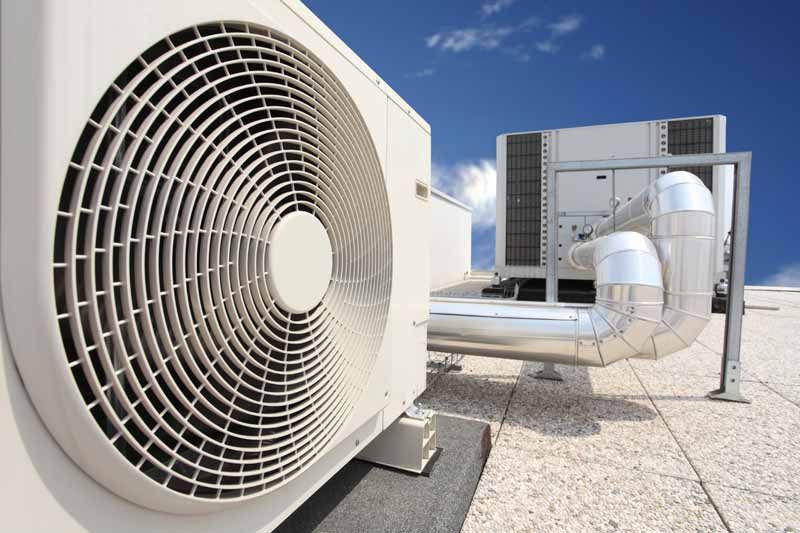
Choosing the Right HVAC System for Your New Home or Business: A Complete Guide
Introduction Moving into a new home or opening a business is exciting—but making sure your HVAC system is properly selected and installed is essential for long-term comfort, energy efficiency, and indoor air quality. HVAC needs for residential spaces differ significantly from those of commercial properties. This guide explains those differences in depth, walks you through how to choose the right system, covers installation and maintenance considerations, and helps you plan for upfront and ongoing costs. Whether you’re renovating, building new, or replacing an old system, this post will give you the knowledge to make an informed decision.
Why Choosing the Right HVAC Matters The right HVAC system affects:
- Comfort: consistent temperatures, even across rooms or zones.
- Air quality: filtration and ventilation to reduce pollutants and allergens.
- Energy bills: efficient systems cut operating costs.
- Reliability: properly sized and installed equipment lasts longer and needs fewer repairs.
- Compliance and safety: meeting building codes and indoor air standards, especially in commercial settings.
Residential vs. Commercial HVAC: Key Differences Understanding the fundamental differences helps you select a system suited to the space and usage patterns.
Residential HVAC
- Purpose and scale: Designed primarily for homes, apartments, and smaller living spaces.
- Comfort focus: Prioritizes occupant comfort—consistent temperatures, quiet operation, and humidity control.
- Capacity and equipment size: Systems are smaller in capacity than commercial units and are sized to serve individual rooms or whole-house loads.
- Distribution: Standard ductwork or ductless mini-splits are common.
- Controls: Thermostats, and increasingly smart thermostats, are used for simple scheduling and energy savings.
- Operation patterns: Residential systems often run intermittently and are used according to occupant schedules.
Commercial HVAC
- Purpose and scale: Built for larger buildings—offices, retail, industrial facilities, multi-story complexes.
- Performance priorities: Maintain air quality, ventilation rates, and temperature across varied zones and occupancy patterns.
- Complexity: Often requires more complex systems—rooftop units (RTUs), variable air volume (VAV) systems, chilled water plants, and central boilers.
- Zoning and controls: Advanced building management systems (BMS) or direct digital controls (DDC) manage multiple zones and schedules.
- Continuous operation: Many commercial HVAC systems run longer hours or continuously, requiring heavy-duty components and redundancy.
- Compliance: Must meet stricter ventilation, safety and energy codes (e.g., ASHRAE standards), and sometimes industry-specific regulations.
How to Choose the Right HVAC System
- Perform a professional load calculation
- Residential: A Manual J calculation determines heating and cooling loads based on square footage, insulation, windows, orientation, and occupancy.
- Commercial: Use Manual N or specialized engineering calculations; consider occupancy variability, internal loads (equipment, lighting), and ventilation requirements.
- Consider system types
- Central forced-air systems: Common in homes; good for whole-house heating and cooling.
- Heat pumps: Efficient option for many climates, provide both heating and cooling.
- Ductless mini-splits: Ideal for additions, older homes without ductwork, or targeted zone control.
- Rooftop units (RTUs): Common in commercial buildings for ease of access and centralized service.
- Chilled water systems and boilers: Used in larger commercial installations or campus settings.
- Hybrid systems: Combine technologies (e.g., heat pump with gas furnace backup) for efficiency and resilience.
- Factor in energy efficiency and incentives
- Look for SEER (cooling) and AFUE/HSPF (heating) ratings for households. Higher ratings mean better efficiency and lower energy bills.
- Commercial systems use metrics like IEER and EER.
- Check federal, state, and local incentives or rebates for high-efficiency equipment, heat pumps, and ventilation upgrades.
- Plan for zoning and controls
- For homes: Multi-zone systems or smart thermostats help tailor comfort and reduce energy use in unoccupied rooms.
- For businesses: Invest in building management systems to optimize operations, monitor equipment, and reduce energy waste.
- Account for indoor air quality (IAQ)
- Filters (MERV ratings), UV germicidal lights, energy recovery ventilators (ERV/HRV), and humidity control are important for both settings—especially in commercial spaces with high foot traffic.
Installation and Contractor Selection
- Hire licensed, experienced HVAC professionals with experience in your property type. Commercial projects often require mechanical engineers.
- Ask for references, proof of licensing, and insurance.
- Ensure contractors perform and provide load calculations, duct design, and a clear scope of work.
- Confirm warranties and get a written timeline and payment schedule.
- For commercial projects, ensure the contractor coordinates with other trades and understands code and permitting requirements.
Maintenance and Service Plans
- Regular maintenance extends equipment life and preserves efficiency. Typical tasks: filter replacement, coil cleaning, refrigerant checks, and inspection of electrical components.
- Residential: Annual or biannual tune-ups are recommended—one for heating, one for cooling.
- Commercial: More frequent inspections and proactive monitoring may be necessary due to heavier use; consider a service contract with emergency response.
- Consider remote monitoring for large commercial systems to detect issues early and improve uptime.
Cost Considerations
- Upfront costs: equipment, installation labor, ductwork changes, permits, and any needed electrical or structural updates.
- Operating costs: energy consumption, routine maintenance, and repair costs over the system’s life.
- Lifespan: Residential systems commonly last 15–20 years; commercial systems vary widely depending on usage and maintenance.
- Return on investment: High-efficiency systems often have higher upfront costs but lower operating expenses and may qualify for incentives.
Special Considerations by Use Case
- New construction: Integrate HVAC planning early with architects and builders for optimal duct routing and equipment placement.
- Retrofits and remodels: Space constraints and existing ductwork can limit options—ductless systems can be good solutions.
- High-occupancy spaces: Restaurants, gyms, or theaters need tailored ventilation and humidity solutions.
- Industrial settings: Consider contaminant control, process-related heating/cooling, and equipment exhaust requirements.
Common Pitfalls to Avoid
- Undersizing/oversizing equipment: Both reduce efficiency and comfort. Always rely on proper load calculations.
- Skipping permits or inspections: Can lead to code violations and safety issues.
- Choosing solely on price: Low-cost installations may save money upfront but cost more in energy and repairs long-term.
- Neglecting maintenance: Increases failures, reduces efficiency, and shortens equipment life.
Making the Final Decision
- Evaluate needs: Size of space, occupancy, local climate, budget, and long-term goals (e.g., electrification or carbon reduction).
- Get multiple bids: Compare equipment specs, estimated energy savings, warranties, and contractor qualifications.
- Consider future-proofing: Higher-efficiency systems, electrification (heat pumps), and smart controls add value and adaptability.
Conclusion and Next Steps Selecting the right HVAC system is a critical step for comfort, efficiency, and the long-term health of your home or business. Take the time to assess your needs, consult professionals for accurate load calculations, and choose equipment and controls that match your usage patterns and budget.
Need expert help deciding or installing your next HVAC system? Our team can evaluate your space, recommend the best options, and handle installation and long-term service.
Contact us: Phone: 1-877-ROWBEL-1
Email: service@rowbelservices.com
Website: www.rowbelservices.com
Tags: HVAC, Residential HVAC, Commercial HVAC, HVAC Installation, Air Quality, Energy Efficiency, HVAC Maintenance, Rowbel Services