
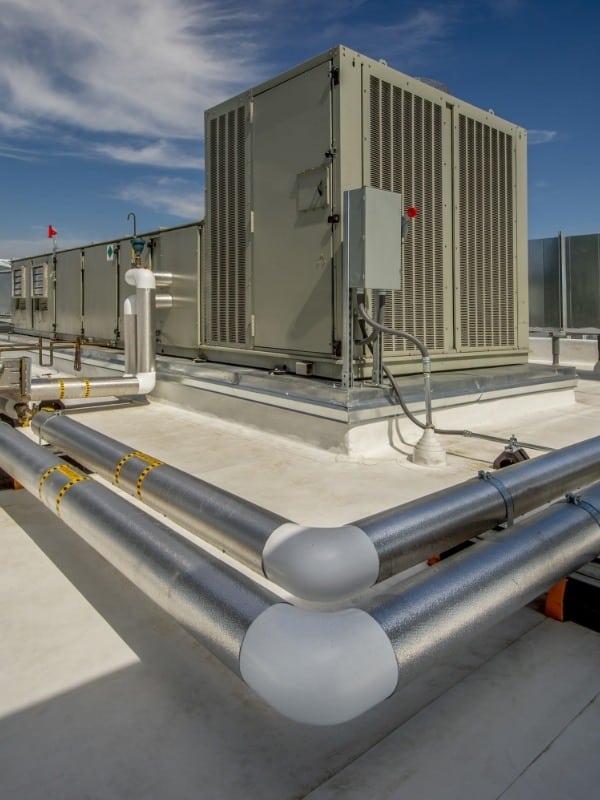
Understanding HVAC Systems: A Comprehensive Guide for Your Home and Business
🏡🏢 Congratulations on your new space! Whether it’s your dream home or a savvy business investment, ensuring an efficient and effective HVAC (heating, ventilation, and air conditioning) system is essential. The right HVAC setup not only enhances comfort but also improves energy efficiency, making it an integral part of any property. Let’s dive into the intricacies of residential and commercial HVAC systems to help you understand which setup is best for your needs.
What is HVAC?
HVAC refers to the technology of indoor environmental comfort. A well-designed HVAC system can optimize your indoor climate, making it comfortable whether you are relaxing at home or working in an office. The fundamental purpose of HVAC is to provide proper ventilation and maintain temperature, humidity, and air quality levels to create a comfortable living or working environment.
Importance of HVAC Systems
An effective HVAC system is pivotal for numerous reasons:
- Comfort: A well-designed system ensures consistent temperatures throughout the space, avoiding hot or cold spots that can impact comfort levels.
- Air Quality: Proper ventilation improves indoor air quality by removing contaminants and circulating clean air, which is crucial for the health of inhabitants.
- Energy Efficiency: Modern HVAC systems use advanced technology to reduce energy consumption, which translates to lower utility bills and a smaller carbon footprint.
- Longevity of Property: By maintaining an optimal environment, HVAC systems help prevent damage to the building structure and its contents.
Residential HVAC Systems
🏠 Residential HVAC systems are specifically designed for homes and smaller spaces. They prioritize comfort and energy efficiency, and here’s how they work:
Key Features of Residential HVAC:
- Scale and Capacity: Residential systems are smaller in scale and capacity compared to commercial units. This makes them ideal for single-family homes, apartments, or small townhouses.
- Comfort Focus: The primary goal of residential HVAC is to create a comfortable living environment. Therefore, systems are designed to ensure that temperatures remain consistent throughout various rooms.
- Standard Ductwork: Residential systems typically involve standard ductwork that distributes air evenly across different rooms. This helps maintain a balanced temperature and achieve energy efficiency.
- Temperature Control: Many residential HVAC units come equipped with advanced thermostats that allow for individualized room temperature settings, further enhancing comfort.
- Energy Efficiency: With the emphasis on energy efficiency, many modern residential HVAC systems include features such as programmable thermostats, multi-stage heating and cooling, and high-efficiency filters.
Types of Residential HVAC Systems:
- Central Air Conditioning: This provides cooling through a network of ducts and is usually paired with a furnace for heating.
- Heat Pumps: These units work by transferring heat rather than generating it, making them energy-efficient for both heating and cooling.
- Ductless Mini-Split Systems: Ideal for homes without existing ductwork, these systems use indoor units connected to an outdoor compressor.
- Furnaces: Often powered by gas or electricity, furnaces are a popular choice for heating residential spaces.
Considerations for Residential HVAC:
When choosing a residential HVAC system, consider factors such as the size of your home, the local climate, and your budget. Consulting with professionals can help tailor the system to your specific needs.
Commercial HVAC Systems
🏢 On the other hand, commercial HVAC systems are designed for larger buildings and offices. They can handle diverse environments, regulate air quality, and maintain temperatures in different areas effectively. Here are some key features:
Key Features of Commercial HVAC:
- Larger Scale: Commercial systems are built to service larger square footage and can accommodate multiple zones within a building.
- Bespoke Zoning Systems: These systems can manage temperature and airflow across different areas, ensuring every room or office maintains its desired environment.
- Extensive Ductwork: To facilitate the movement of air efficiently, commercial HVAC systems often utilize larger and more complex ductwork compared to residential systems.
- Continuous Operation: Commercial systems are designed for heavy loads and continuous operation, making them suitable for businesses that run all day, every day.
- Advanced Air Quality Regulation: Commercial HVAC setups often incorporate advanced air filtration and ventilation systems that keep indoor air quality at safe levels, which is vital for the health of employees and customers.
Types of Commercial HVAC Systems:
- Rooftop Units (RTUs): Common in commercial settings, RTUs are installed on the roof and provide both heating and cooling.
- Chiller Systems: These systems use chilled water to cool a building and are often found in larger commercial spaces.
- Variable Refrigerant Flow (VRF): A modern option for commercial spaces, VRF systems can simultaneously heat and cool different areas, offering flexibility and efficiency.
- Make-Up Air Units: These units help in supplying fresh air into the building while removing stale air, ensuring good
At Rowbel Services, we are excited about the future of Sustainable Electrical Contracting. By embracing innovations in renewable energy, energy efficiency, and green building practices, we are committed to shaping a more sustainable world.
Together, let’s embark on this journey toward a greener future, where sustainability is at the core of our everyday practices. Join us as we lead the charge in creating not only better buildings but also a healthier planet for generations to come.